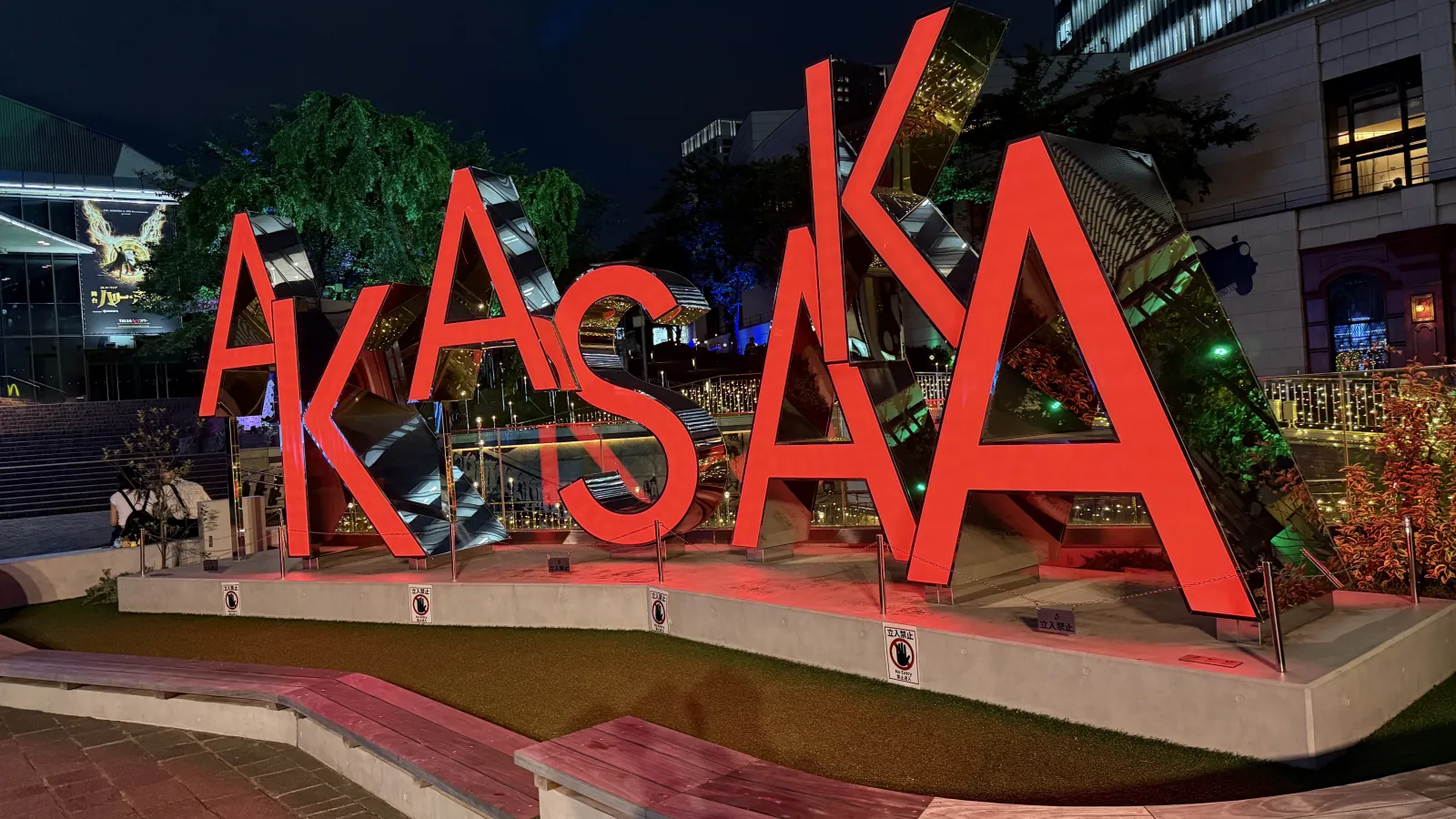
There is a moment, about halfway through the walk from Akasaka-mitsuke Station toward Akasaka Hikawa Shrine, when the noise of the city drops to something that feels deliberate. The street narrows. The buildings step back. The sound is still there—Tokyo is never truly quiet—but it has changed register. You are, at this point, a five-minute walk from the official residence of the Prime Minister of Japan, three minutes from where cabinet members hold informal dinners, and perhaps two minutes from where a conversation that will end up in a newspaper is happening right now in a private dining room with sliding paper screens.
Akasaka is not a neighborhood that makes it obvious what it is. That is its entire point.
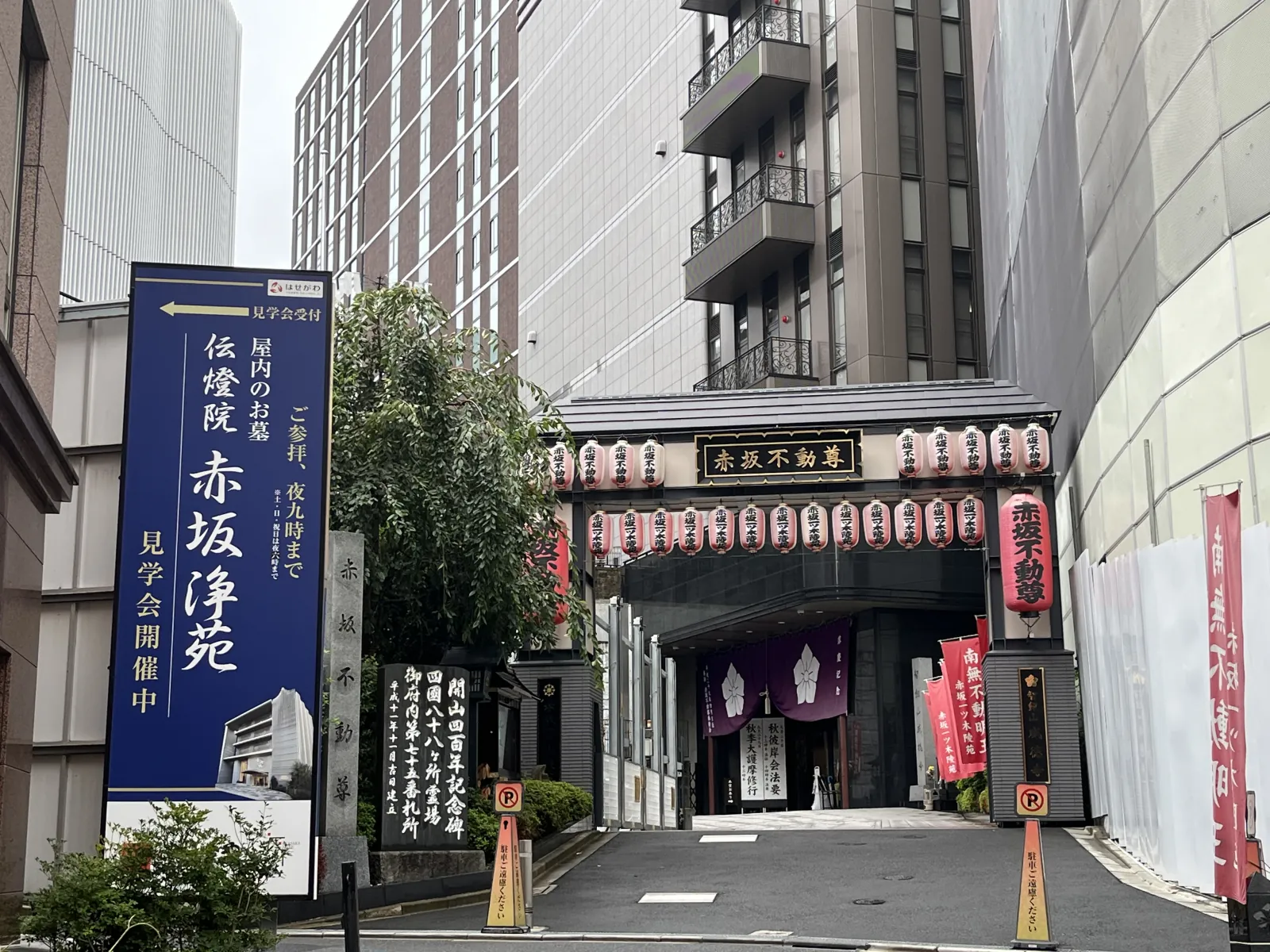
Why Akasaka Is Unlike Anywhere Else in Tokyo
Most travelers understand Tokyo’s major districts intuitively: Shibuya is youth and commerce, Shinjuku is scale and chaos, Asakusa is historical continuity. Akasaka is harder to decode from the outside because its defining characteristic is not aesthetic but structural.
Draw a line from the National Diet Building to the Prime Minister’s Official Residence to the Foreign Ministry to the various embassies clustered in Azabu and Minato. Akasaka sits in the middle of this triangle. This is not an accident of urban planning; it is the reason the neighborhood developed its particular personality.
When political power concentrates in a place, it pulls a specific kind of infrastructure with it. The restaurants that survive here are not the ones with Instagram followings—they are the ones with reputations for discretion, consistency, and the kind of private rooms where a conversation can happen without reaching the street. The bars that persist are places where a politician and a journalist can sit at a counter without incident. The shrines that remain active are the ones where an oath made in January might matter by March.
None of this is visible from the street. All of it shapes what Akasaka feels like.
Akasaka Hikawa Shrine: What Has Not Changed Since 1730
The Akasaka Hikawa Shrine (赤坂氷川神社) was built in 1730 on the orders of the eighth Tokugawa shogun, Yoshimune. That date is significant for a reason that takes a moment to understand: the shrine’s main sanctuary building, the honden, is the original structure. It survived the Great Kanto Earthquake of 1923. It survived the firebombing of Tokyo in 1945. In a city that was almost entirely rebuilt from zero in the postwar period, and in a country where shrine buildings are traditionally renewed on a fixed cycle, this wooden structure from three centuries ago is still standing on the same ground where it was built.
When you walk through the main gate and face the honden directly, you are looking at something increasingly rare in Tokyo—not a reconstruction or an approximation, but the actual thing.
The shrine is dedicated to Susanoo-no-Mikoto, a storm deity in the Shinto pantheon, and the grounds cover a surprisingly large area of hillside that the surrounding buildings seem to have agreed, collectively, to leave alone. There are two giant zelkova trees at the top of the approach steps that are estimated to be several hundred years old. Standing under them gives you a different sense of scale than anything a modern building can provide.
Visit early on a weekday morning—before 8 AM if possible. The shrine is functionally empty at that hour except for the occasional local on a personal errand: someone performing a quick temizu (ritual hand-washing) before work, a woman making an offering at the smaller sub-shrine at the edge of the grounds, a man standing in front of the honden for a few minutes with his eyes closed and his hands pressed together. These small acts of private devotion, performed without an audience, are the actual practice of Shinto—very different from the ceremonial version that tourists are more likely to encounter elsewhere.
On weekends you will sometimes see traditional weddings here. A bride in a white shiromuku kimono, a groom in formal hakama, a Shinto priest conducting a ceremony that has not materially changed in several hundred years—and all of this happening in the middle of a major city, surrounded by embassies and office towers, with no sense of incongruity on anyone’s part. Japan treats historical continuity not as a curiosity but as a matter of course, and this is one of the places where that attitude is most legible.
The State Guest House: A Neo-Baroque Palace in Meiji-Era Japan
A ten-minute walk from the shrine brings you to the Akasaka Palace (迎賓館赤坂離宮), Japan’s only structure in the French neo-baroque style and, measured by sheer architectural ambition, one of the most unusual buildings in the country.
It was completed in 1909, during the Meiji era, and the intention was explicitly political: Japan had spent forty years transforming itself from a feudal society into an industrialized nation, and the Meiji government wanted a building that would communicate to visiting European heads of state that Japan belonged in the same conversation as France, Britain, or Germany. The result is a palatial structure that, if transported to Paris, would attract no particular notice on the Île de la Cité.
The gardens are open to the public for much of the year, and the main building itself is accessible through a paid entrance that includes a timed admission to the interior. The entrance fee is modest and the crowd minimal—almost no one who visits Tokyo puts this on their list, which makes the experience of walking through the white-and-gold reception rooms in near-silence one of the more unlikely pleasures the city offers.
The building has been used for state banquets and diplomatic receptions throughout its history. Standing in the main hall, you are standing in the same room where the Treaty of San Francisco was negotiated, where Emperor Hirohito received foreign leaders during the postwar reconstruction period, where the G7 summit took place in 1979. This is not the kind of historical weight that a sign on the wall can adequately convey. It requires some prior knowledge to feel it, which is why it is worth bringing.
The Food Geography of Akasaka: Three Distinct Layers
Food culture in Akasaka is defined by the same logic that defines everything else: proximity to power creates a calibrated hierarchy of quality and discretion.
The Ryotei Layer
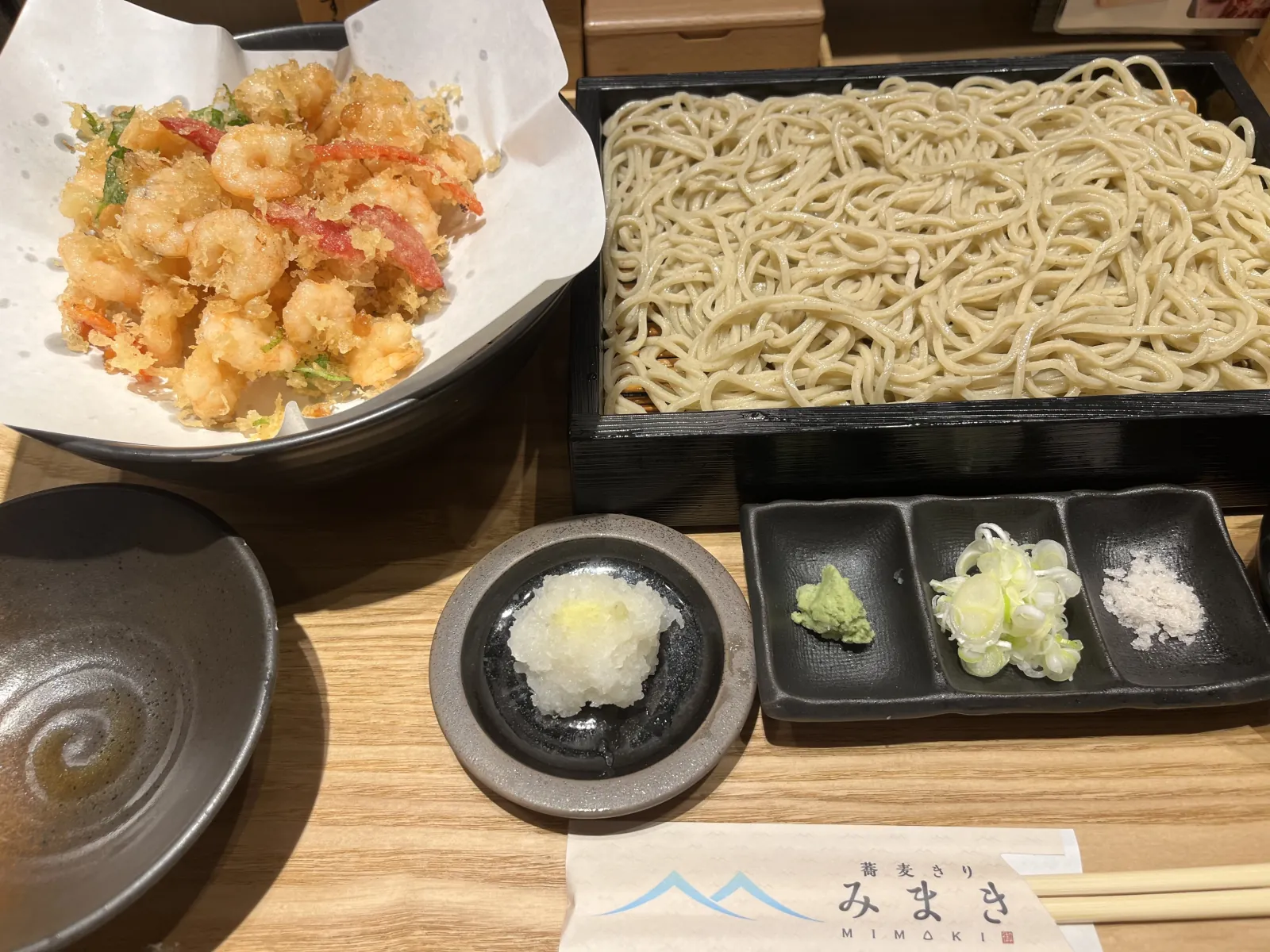
The top register consists of ryotei—traditional high-end Japanese restaurants that operate on a reservation-only basis and have, in some cases, the same families cooking in the same rooms for multiple generations. These are not places with menus visible from the street, and some of them have no visible signage at all. They are identifiable only by an indigo noren curtain hanging in a doorway, or by the specific character of the silence around them.
Entry to the true ryotei typically requires an introduction from an existing customer or a referral through a high-end hotel concierge. The cost is significant. But the experience—kaiseki cuisine served in a private tatami room, each dish calibrated to the season, the conversation calibrated to the room—is something that exists in very few places in the world at this level.
The Izakaya Layer
One block removed from the ryotei tier, in the narrower streets that slope downhill from Akasaka-mitsuke, you find the izakayas and yakitori bars that the people who work in the neighborhood use for their actual daily eating and drinking. These are not tourist restaurants. The prices are set for people who live nearby and come back regularly.
The yakitori here is grilled over binchotan charcoal—white charcoal from the Kishu region of Wakayama that burns at higher temperatures and imparts a cleaner, less smoky flavor than conventional charcoal. The difference is detectable. Order the tsukune (ground chicken skewer with egg yolk) and the negima (chicken thigh with green onion) as a baseline, then follow the chef’s recommendation for the evening’s special cut.
The Kissaten Layer
The third layer—and the one most accessible to anyone—is the old-school kissaten culture that Akasaka has retained with unusual fidelity. A kissaten is a master-run coffee shop, typically opened decades ago, serving coffee that the owner has sourced and roasted to personal specification, at a pace calibrated for staying rather than ordering and leaving.
Several of the kissaten in Akasaka have been operating for forty or fifty years with minimal change to their interiors, their menus, or their method. The coffee is excellent. A cup costs perhaps 600 to 800 yen. The experience of sitting in one of these rooms, at a counter made of dark wood that has been polished by decades of elbows, with the sound of coffee being ground in the back—this is something that Tokyo is slowly losing as rents rise and owners retire, and Akasaka still has it.
Akasaka Sacas: Where the Media Lives
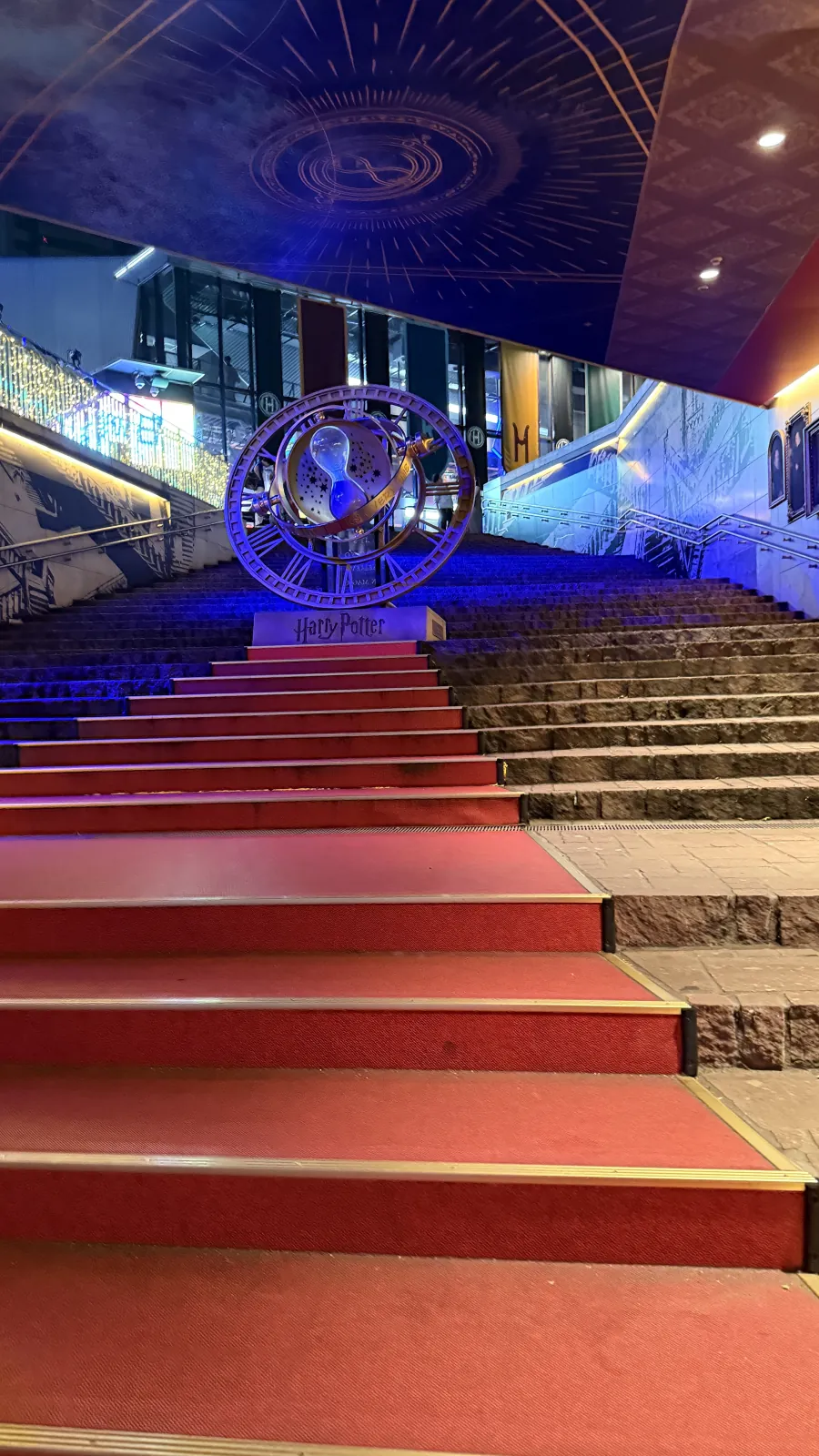
The western side of Akasaka is occupied by a large mixed-use complex built around the headquarters of TBS Television, one of Japan’s major commercial broadcasters. This area, known as Akasaka Sacas, has a different energy than the rest of the neighborhood—more open, more pedestrian-friendly, with regular events in the central plaza and a dedicated theater space.
What makes Akasaka Sacas worth understanding is less its entertainment value and more what it represents: Japan’s media and political establishments living within deliberate proximity to each other. The same streets that carry cabinet officials to private dinners also carry television producers and journalists covering those officials. The relationship between the two is complicated—Japan’s press club system creates forms of institutional closeness that Western journalists sometimes find difficult to understand—and Akasaka is one of the physical spaces where that closeness is most visible.
The plaza hosts seasonal events: outdoor cinema in summer, a small skating rink in winter, festival-style food stalls during national holidays. If you are staying in Akasaka, these are pleasant ways to spend an evening. The theater company Bunkamura (which operates out of Shibuya) has a performance space here that programs serious theatrical work alongside more commercial productions.
After Dark: How Akasaka Changes at Night
The neighborhood’s character shifts noticeably after 7 PM, when the people who work here—bureaucrats, politicians’ staff, journalists, lawyers, medical professionals from the many clinics in the area—are released from their offices. The izakayas fill with people who know each other, sitting at tables arranged by professional relationship or collegiate connection. The conversation is animated, often confidential, and entirely uninterested in being observed.
This is one of the things that distinguishes Akasaka nightlife from Shinjuku or Shibuya: the people are here to talk, not to be seen. If you sit at a counter, you are welcome. The bartender will pour your drink and answer questions about the neighborhood, if you ask, with the matter-of-fact helpfulness of someone who has been answering the same questions for years and finds them genuinely interesting. Buy whatever you are drinking and ask about the area; that is the correct protocol.
The streets around the Hikawa Shrine, by contrast, become very quiet after dark—worth a walk for the light and the contrast with the neighborhoods five minutes away.
Practical Information
Getting there
- Akasaka-mitsuke Station (Tokyo Metro Ginza Line, Marunouchi Line) — direct access to the main shopping and dining area
- Akasaka Station (Tokyo Metro Chiyoda Line) — closer to Hikawa Shrine and the quieter residential streets
- Tameike-Sanno Station (Ginza Line, Namboku Line) — best for the State Guest House
From central Tokyo
- Shinjuku: 10 minutes (Marunouchi Line)
- Ginza: 8 minutes (Ginza Line)
- Tokyo Station: 15 minutes (Ginza Line to Ginza, transfer to Yurakucho Line)
Akasaka Hikawa Shrine
- Open: 24 hours (grounds); shrine office 9:00 AM – 5:00 PM
- Admission: Free
- Best time to visit: Before 8 AM on weekdays
Akasaka Palace (State Guest House)
- Open: Generally Tuesday–Sunday, 10:00 AM – 5:00 PM (check official schedule, as it closes during state functions)
- Admission: ¥1,500 for main building and garden; ¥300 for garden only
- Advance booking recommended for the main building interior
A note on restaurants Most of the izakayas in Akasaka do not have English menus or English-speaking staff. Pointing at what you see at neighboring tables, or at photographs where they exist, is entirely acceptable and will be met with helpfulness rather than impatience. Reservations are strongly recommended for dinner at any establishment that looks like it has private rooms.
Akasaka does not ask for your attention. It is not the neighborhood that will give you the photograph you planned to take. It is the neighborhood that gives you, instead, the more durable thing: a sense of what Tokyo is actually doing when it is not performing for visitors—which is to say, most of the time.