Most first-time Japan itineraries fail in the same way: they list too many destinations, underestimate transit time, and leave no room for the unplanned encounters that make Japan memorable. The country’s efficiency—trains that run to the minute, convenience stores open at 3 AM, hotels that prepare your room while you are at breakfast—creates the false impression that you can fit everything in.
You cannot. Japan rewards depth over breadth on a first visit. The itineraries below are built around this premise: do fewer things, but do them in a way that allows you to understand where you are.
The Golden Route and Why It Works
The Tokyo–Kyoto–Osaka corridor is called the Golden Route because it connects Japan’s two most visited cities with one of the world’s best high-speed rail networks, passing through a concentration of UNESCO World Heritage Sites, distinct food cultures, and historical material that cannot be matched anywhere else in Japan within the same geographic distance.
It is also the right route for a first visit because it lets you calibrate. Tokyo—the world’s largest city, hypermodern and labyrinthine—teaches you to navigate Japan before you arrive in Kyoto, which rewards visitors who come with their bearings already established. Osaka, which follows, is the corrective to both: direct where Tokyo is oblique, relaxed where Kyoto is refined.
The three cities are distinct enough that moving between them over a week or two is not repetitive. It is cumulative.
Before You Arrive: Three Decisions That Shape Everything
Japan Rail Pass or point-to-point tickets?
The JR Pass has increased in price significantly since 2023. As of 2026, a 7-day JR Pass costs approximately ¥50,000. A round-trip Shinkansen fare between Tokyo and Osaka (Hikari service, which the JR Pass covers) is approximately ¥28,000. Adding Kyoto stops and regional journeys: the Pass typically pays off for 7-day itineraries that include a Golden Route round trip and several additional JR journeys. Calculate your specific route before purchasing. The Pass is convenient, but convenience has a price.
Note: The Nozomi and Mizuho Shinkansen services are the fastest options on the Tokaido line but are not covered by the JR Pass. The Hikari and Kodama services are slower by 15–30 minutes but are fully covered.
IC card (Suica or PASMO)
Get one at the airport immediately. These rechargeable contactless cards cover virtually every train, subway, and bus in Japan, and increasingly function at convenience stores and vending machines. If you have an iPhone or compatible Android device, loading Suica into Apple Wallet or Google Wallet before departure is faster and removes the need to handle a physical card.
Accommodation booking
Book at least 3–4 months ahead for cherry blossom season (late March to early April), Golden Week (late April to early May), and autumn foliage season (mid-November). These periods are genuinely capacity-constrained and hotels fill completely at reasonable prices before the dates arrive. For all other times, 6–8 weeks ahead is generally sufficient for business hotels. Ryokan with good reputations fill faster; reserve them as soon as your dates are confirmed.
7-Day Itinerary: The Essential Route
With seven days, focus is essential. This itinerary assumes arrival at Narita or Haneda on Day 1 and departure from Kansai International (Osaka) on Day 7, or return to Tokyo by Shinkansen.
Days 1–3: Tokyo
Day 1 is transit and acclimatization. The 90-minute Narita Express or 30-minute Haneda monorail is your introduction to Japanese transit precision. Check in, walk the neighborhood, eat at the nearest ramen shop. Do not attempt sightseeing after a long-haul flight.
Day 2 is designed around one essential contrast. Start in Asakusa at 7:30 AM before the tour groups arrive—walk Nakamise-dori when the shops are still shuttered and their Edo-era painted panels are visible, approach the main hall of Senso-ji in early morning light. Cross to Tokyo Skytree for the morning view across the Kanto plain. Spend the afternoon in Shibuya: the Scramble Crossing and its organized chaos, the backstreets of Oku-Shibuya for coffee, Nonbei Yokocho in the evening for yakitori in a post-war alley that has no business still existing.
Day 3 covers two districts in sequence. Harajuku: Meiji Jingu from the south entrance at 8 AM, then Omotesando for architecture walking (Tadao Ando’s underground shopping complex, the Prada building by Herzog and de Meuron, Kengo Kuma’s Nezu Museum). Then Ginza in the afternoon—Itoya stationery, the Kabukiza theater’s one-act seats available at the door on the day, the kissaten (old-school coffee houses) on the side streets.
What to cut with only three Tokyo days: the Tokyo Skytree and Tokyo Tower on the same trip. Harajuku’s Takeshita Street unless youth fashion is a specific interest. Odaiba entirely.
Day 4: Transit to Kyoto
The direct Shinkansen from Tokyo to Kyoto takes approximately 2 hours 20 minutes on the Hikari. If your schedule allows flexibility, consider breaking this journey with two to three hours in Hakone—a resort area in Kanagawa with the most reliable access to Mount Fuji views outside of climbing it. The Odakyu Romancecar from Shinjuku to Hakone-Yumoto takes 85 minutes; the Hakone Open-Air Museum is a short bus ride from there. Continuing to Kyoto from Hakone adds approximately 3–4 hours to the day but does not require backtracking.
Arrive in Kyoto in the late afternoon and walk the Gion main street (Hanamikoji) in the evening. The combination of wooden machiya facades, lantern light, and occasional geisha moving between engagements is the correct first impression of the city.
Days 4–5: Kyoto
Two days in Kyoto is enough to visit its major sites without rushing. It is not enough to understand Kyoto, which requires repeat visits across seasons.
Eastern Kyoto (Day 4 evening and Day 5 morning): Kiyomizudera on the hillside above Higashiyama—approach via Ninenzaka and Sannenzaka rather than the direct route to experience the best-preserved street environment in the city. The temple is crowded by 10 AM; arrive at 8 AM to have the view terrace to yourself.
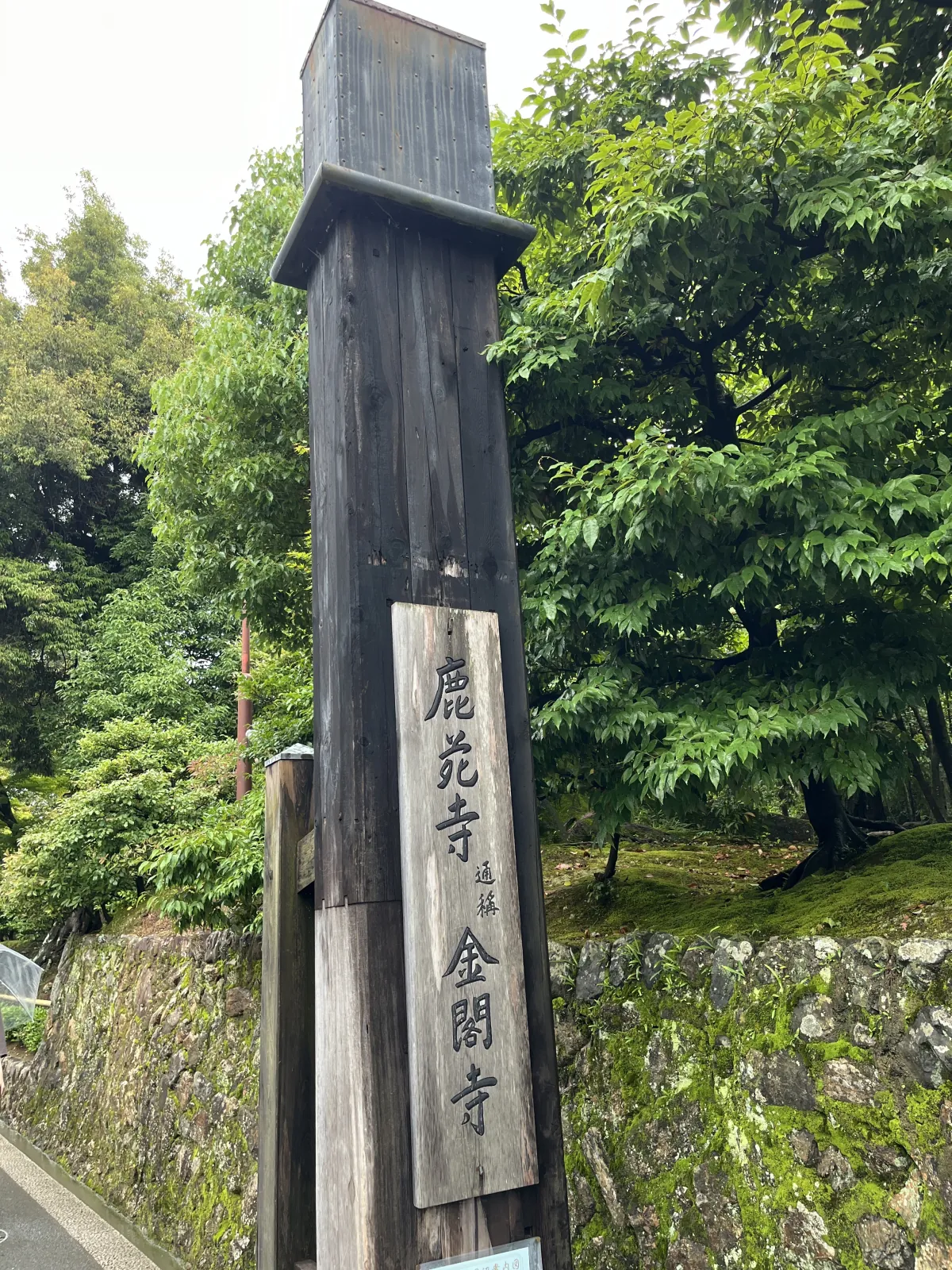
Western Kyoto (Day 5 afternoon): Arashiyama in the afternoon when the morning tour groups have thinned. Tenryu-ji garden for the borrowed scenery composition against the Arashiyama mountains. The bamboo grove immediately behind the temple, which is overvisited but genuinely extraordinary at 3 PM on a weekday. Kinkakuji for the pavilion and its 1950 arson history.
Central Kyoto (Day 5 evening): Nishiki Market for the food walk. Dinner in the Pontocho alley along the Kamo River.
What to cut with only two Kyoto days: Fushimi Inari—it requires 2 hours minimum to do properly and cannot be combined efficiently with western Kyoto on the same day. Save it for the 14-day itinerary.
Day 6: Osaka
Kyoto to Osaka is 15 minutes on the Shinkansen or 30 minutes by local express. Arrive before noon.
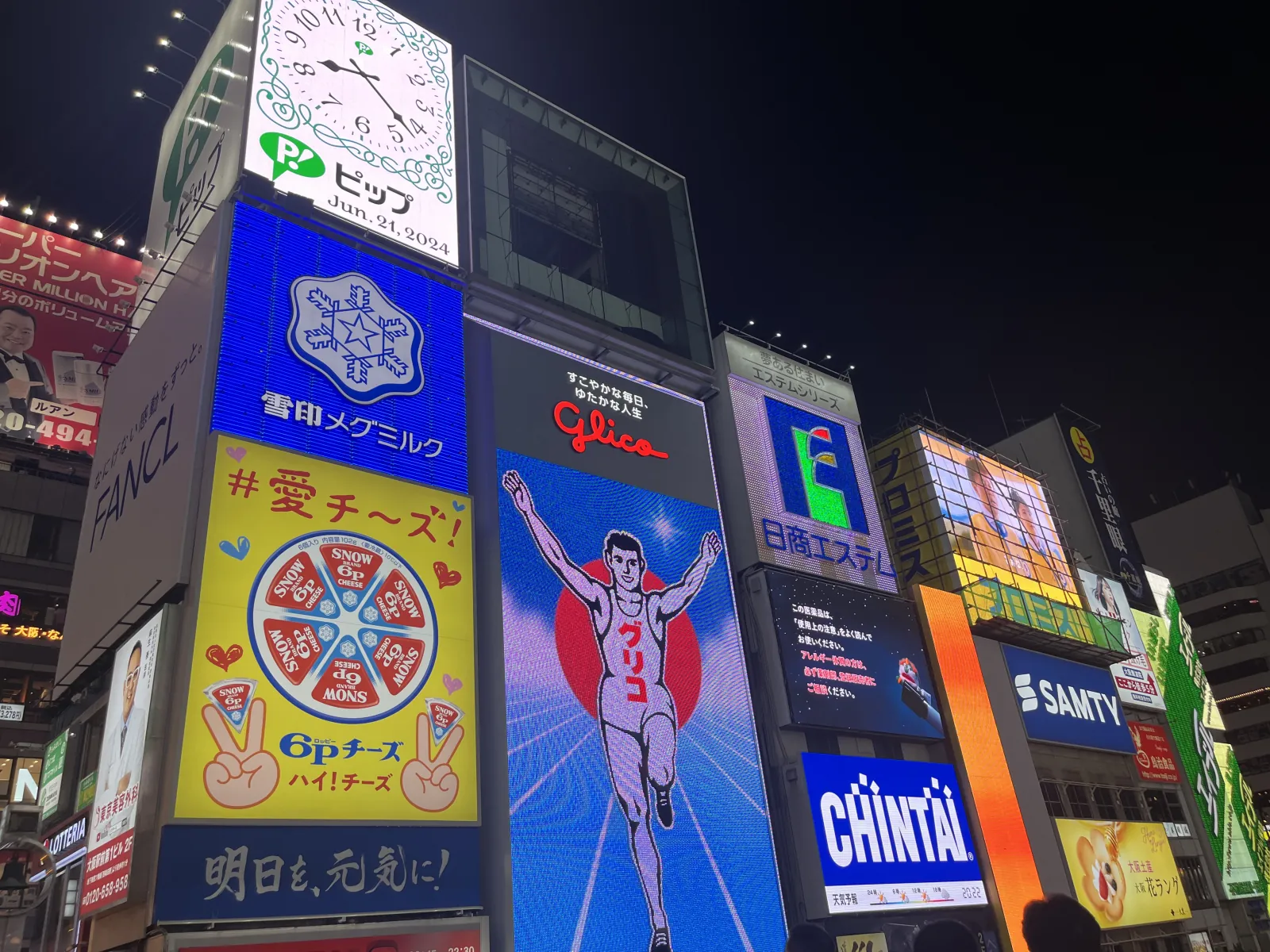
Osaka Castle in the morning if you have interest in Edo-period military architecture—the museum inside is better than most castle museums in Japan. Dotonbori in the afternoon and evening: the canal promenade for orientation, then the backstreets south of the canal for eating. Kushikatsu (breaded skewers, no double-dipping the communal sauce) at a stand behind the main strip where Osakans actually eat. Takoyaki from a street vendor. Okonomiyaki in the evening, Osaka-style, mixed batter with cabbage and your choice of fillings.
Day 7: Departure
The Haruka Express from Osaka Station to Kansai International Airport takes approximately 75 minutes. Build 3 hours from central Osaka to the departure gate. If returning to Tokyo, the Shinkansen is 2 hours 20 minutes; early morning departures allow same-day transit to international connections at Narita or Haneda.
10-Day Itinerary: Adding Depth
The three additional days make the most difference when applied as follows.
Tokyo: 4 days (one additional day)
Use the fourth Tokyo day for a day trip. Three options, each worth the journey:
- Kamakura: 50 minutes from Tokyo by JR Yokosuka Line. The 1252 Great Buddha, the Zen temples of Kita-Kamakura (Engaku-ji, Kencho-ji), and the Enoshima coastline. A complete day that requires no advance planning beyond confirming train times.
- Nikko: 2 hours from Tokyo on the Tobu Nikko Line. The Toshogu Shrine complex—built to enshrine Tokugawa Ieyasu in the architectural language of maximum political power—is an extraordinary formal contrast to Kyoto’s restrained aesthetic. Allow the full day.
- Mount Takao: 50 minutes from Shinjuku on the Keio Takao Line. Accessible year-round, with a 1–2 hour summit hike, the Yakuo-in temple complex, and tororo soba at the mountain restaurants. Best option for visitors who want hiking rather than history.
Kyoto: 3 days (one additional day)
The third Kyoto day opens the city’s less-visited but highly rewarding sites.
Fushimi Inari requires an early morning start—at the shrine by 7 AM to have the upper paths to yourself. The complete circuit of all 10,000 torii gates to the summit and back takes 2–3 hours and is categorically different from the lower half-circuit that most visitors do. The upper mountain is forested and genuinely quiet; the shrine’s sacred character is fully present in a way it cannot be at 11 AM with tour groups.
Nara as a day trip from Kyoto (45 minutes by Kintetsu express): Todai-ji with its 15-meter bronze Buddha, the deer designated as sacred messengers since 768 AD, and the forested hillside of Kasugayama behind the shrine precinct. The deer are genuinely bold and will remove crackers from your hands faster than you expect.
Osaka: 2 days (one additional day)
The second Osaka day removes the pressure from the first.
Sumiyoshi Taisha in the morning—one of Japan’s oldest shrines, in an architectural style that predates even Ise Grand Shrine, operating continuously since the 3rd century. Shinsekai in the afternoon, the working-class entertainment district built for the 1903 World Exposition and never gentrified: kushikatsu restaurants, billiard halls, the retro Tsutenkaku tower. Kuromon Market (Osaka’s “kitchen”) for a food walk through fresh seafood, pickles, and prepared food stalls.
14-Day Itinerary: The Full Circuit
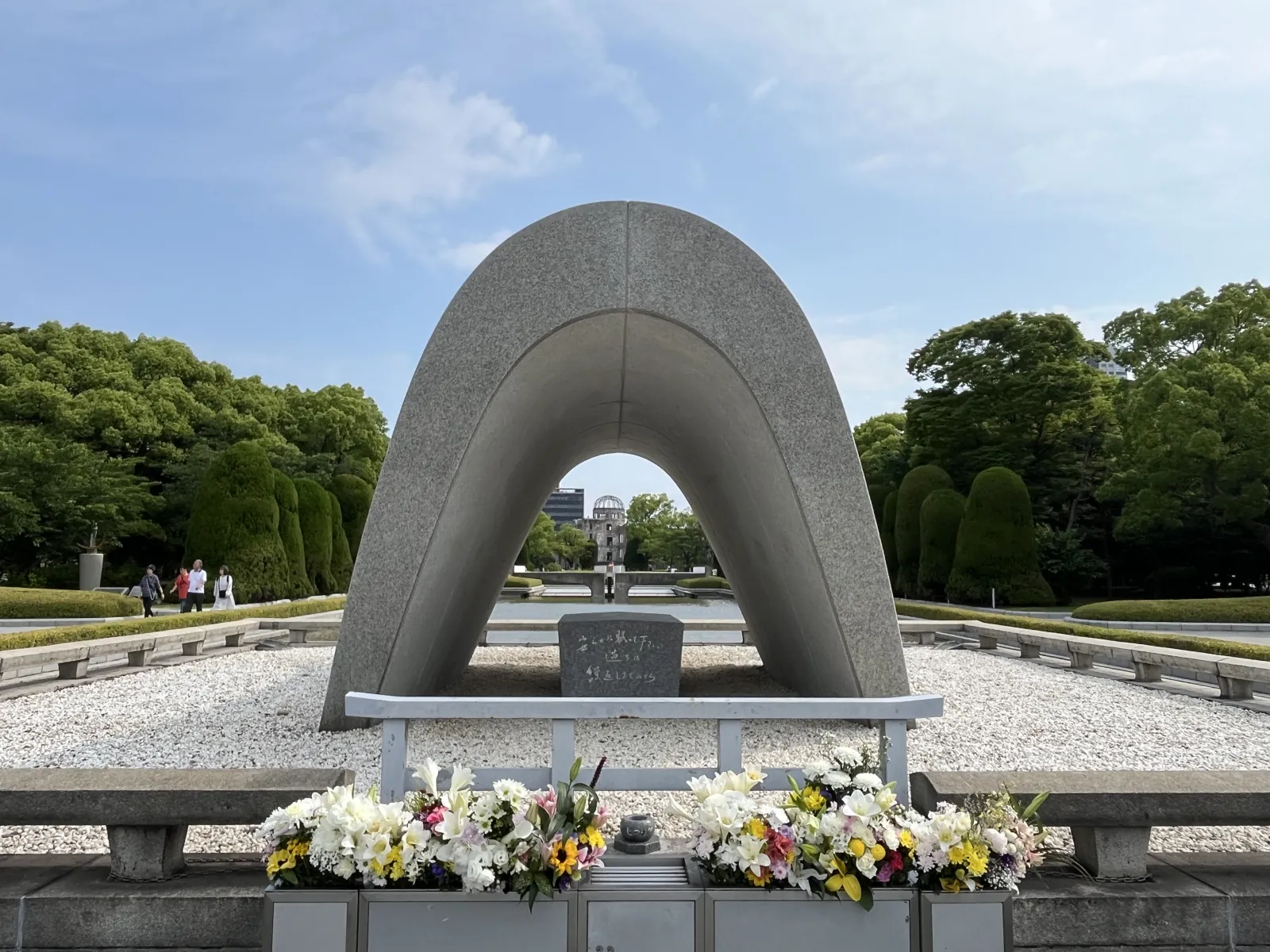
Two weeks allows you to add Hiroshima and Miyajima—and they should be added. The combination of Hiroshima Peace Memorial Park and the sacred island of Miyajima, accessible as a single long day from Kyoto or Osaka on the Sanyo Shinkansen, is the most emotionally and historically significant day trip available from the Golden Route.
Hiroshima-Miyajima day trip: Leave Osaka at 7:30 AM, arrive Hiroshima at 9:00 AM. Peace Memorial Park and Museum—a minimum of 3 hours; more if you engage with the volunteer guide program, which is the most valuable thing available to international visitors at the site. Ferry to Miyajima at 1:00 PM. The Itsukushima Shrine, the Ōtorii gate (check tide times before departure—high tide for the floating effect, low tide to walk out to the gate on foot), Mount Misen if energy allows. Last ferry back by 5:00 PM; Shinkansen from Hiroshima at 6:30 PM; back in Osaka by 8:30 PM.
Alternatively, stay overnight in Hiroshima or on Miyajima itself. A ryokan overnight on Miyajima—after the day-trippers have left and the island returns to its quiet, slightly otherworldly character—is one of the best single-night accommodation experiences in Japan.
With 14 days, also reconsider Tokyo. A fifth day in Tokyo can reach neighborhoods that are excellent but not achievable on a 7-day schedule: Yanaka (the shitamachi neighborhood that survived both the 1923 earthquake and wartime bombing, still inhabited by craftspeople and small shops in original buildings), Shimokitazawa (independent music venues, secondhand bookshops, the cultural counterpoint to Shibuya’s commercial energy), or simply the experience of spending half a day in a single neighborhood without an agenda.
Practical Realities
Luggage forwarding (takkyubin): Japan’s luggage forwarding services—operated by Yamato Transport (black cat logo) and others—will deliver your suitcase between hotels for ¥1,500–¥3,000 per bag, next-day delivery. This is the single highest-value logistical decision available on a multi-city itinerary. Check in your large bag at your Tokyo hotel on departure morning, travel the Shinkansen with a day bag only, and find your luggage waiting at the Kyoto hotel when you arrive.
Shinkansen seat reservations: Not strictly required on Hikari and Kodama services (which the JR Pass covers), but recommended during peak periods. Non-reserved car seating exists on most Shinkansen but involves queuing with no guarantee of a seat on busy services.
Convenience stores: 7-Eleven, FamilyMart, and Lawson function as the infrastructure of Japanese daily life: hot food, quality sandwiches and onigiri, ATMs (many Japanese ATMs reject foreign cards; 7-Eleven ATMs and Japan Post ATMs reliably do not), printing, and ticket purchase. In any major Japanese city, the nearest convenience store is approximately 300 meters away in any direction.
Cash: Japan is moving toward cashless, but small restaurants, older establishments, shrines, and many local food vendors remain cash-only. Carry ¥10,000–¥20,000 at all times; replenish from 7-Eleven or Japan Post ATMs.
The single most common regret among first-time Japan visitors is consistent: “I should have spent more time in fewer places.” The Shinkansen is fast. The traveler’s approach should not be. The unplanned encounter in a neighborhood you had no reason to be in—the conversation that only happens because you were not rushing to the next listed attraction—is the memory that outlasts the itinerary.