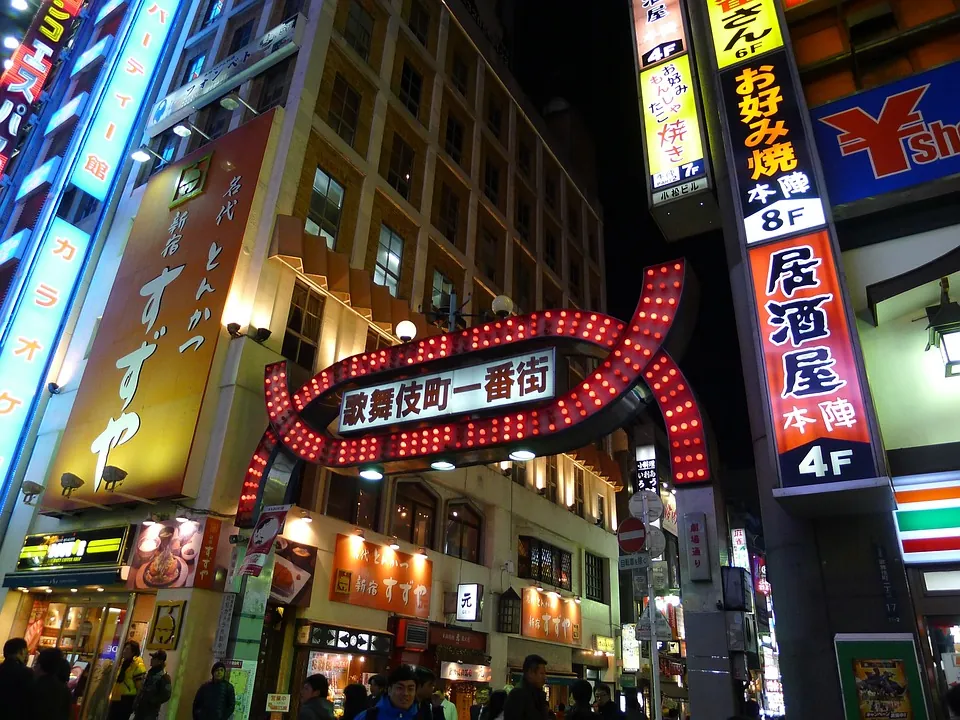
Most guides describe Kabukicho with two words: “neon” and “sleepless.” Both are accurate and both miss the point. I have lived in Tokyo for over twenty years, and what makes Kabukicho worth your time is not that it stays awake—it is why it stays awake. This is the one square kilometer where Tokyo drops its famous composure. The city that lines up silently for trains, that apologizes for existing, that polishes every surface—here it exhales.
If you understand that, you will read the place correctly. If you don’t, you will either be frightened of it or disappointed by it.
What Kabukicho Actually Is
Kabukicho was named after a kabuki theater that was planned here after the war and never built. The name stuck to a district that became the opposite of refined traditional theater—Tokyo’s densest concentration of bars, clubs, restaurants, karaoke boxes, game arcades, and host and hostess clubs. It is the entertainment quarter of Shinjuku, the busiest train hub on earth.
The “red-light district” reputation is real history, not present reality. A major cleanup more than fifteen years ago, plus the 2023 opening of the Tokyu Kabukicho Tower, shifted the center of gravity. Today the district is overwhelmingly ordinary Japanese people letting off steam after work, mixed with a growing number of tourists. The genuinely seedy corners still exist, but you have to actively wander into them. The main streets are as safe as anywhere in Tokyo—which is to say, very.
Reading the Streets: Where to Walk and Where Not To
Here is what no guidebook map tells you: Kabukicho has a clear internal logic, and once you see it, the district stops feeling chaotic.
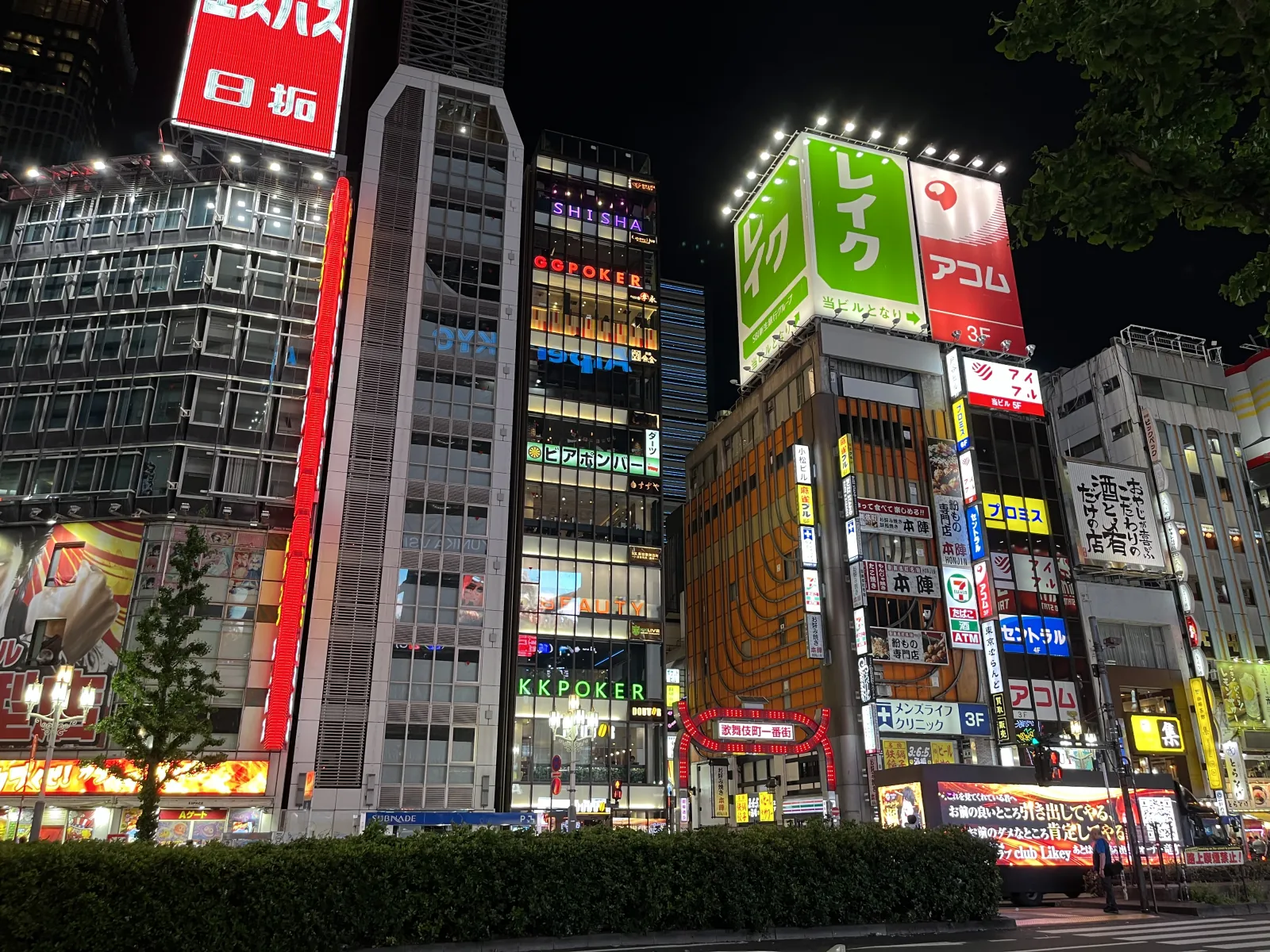
The central avenue running north from the famous red gate sign (the one everyone photographs) is the safe, bright, busy spine. Stay on it and the streets branching off it, and you are in tourist-and-salaryman territory—loud, harmless, fun.
The deeper northeast pockets, past the old Toho Cinema area, are where host clubs and adult businesses cluster. Nothing will happen to you if you walk through, but you will be approached more, and there is little there for a visitor. There is no need to go.
Golden Gai, on the eastern edge, is a different world entirely—and the best one. More on that below.
Local rule of thumb: the brighter and more crowded the street, the more it is for everyone. The darker and quieter it gets, the more it is for locals who already know exactly where they are going. Follow the light.
The Touts: The Only Thing You Need to Manage
The single piece of Kabukicho “danger” a normal visitor will actually encounter is touts—men (and sometimes women) who approach you on the street to pull you into a bar, club, or “show.”
The rule among Tokyo residents is absolute and simple: never, ever go anywhere with a street tout. Not because you will be robbed, but because the places they steer you toward are where the inflated-bill scams happen—a few drinks turning into a bill of tens of thousands of yen, enforced on the spot. Reputable establishments in Japan do not need to drag people off the street.
So: keep walking, don’t make eye contact, a small wave of the hand is enough. They give up instantly because there is always another tourist behind you. If you choose your own venue—one with a posted menu and prices, or one you found online—this entire category of problem disappears.
What to Actually Do Here
Eat First, Drink Second
Kabukicho is one of the best late-night eating zones in Tokyo, and food anchors a good night. The district is wall-to-wall with izakaya (Japanese gastropubs), ramen counters, and yakitori joints, many open until dawn. A local approach: start at an izakaya around 7–8 PM, order small plates and drinks as you go, and let the night build from there rather than front-loading the alcohol.
Ramen at 1 AM after drinking is not a cliché in Tokyo—it is infrastructure. You will find a steaming shop on nearly every block.
Golden Gai: The Reason to Come
If you do one thing in Kabukicho, make it Golden Gai. Six narrow alleys packed with more than 200 bars, each barely the size of a closet, seating six to ten people. Each bar is one person’s universe—jazz records, punk memorabilia, film posters, hand-built shrines to a single obsession.
This is the most intimate drinking culture in Tokyo. But it comes with etiquette:
- Many bars charge a table charge (often ¥500–¥1,000) on top of drinks. Look for a posted sign or simply ask “charge wa ikura desu ka?” before sitting.
- Some bars are regulars-only; look for English signage or a welcoming sign, and don’t take it personally if a master gently waves you off.
- These rooms are tiny. You will end up talking to strangers. That is the entire point.
Karaoke, the Right Way
Karaoke in Japan is not a stage in front of strangers—it is a private room you rent with your own group. Big chains here have English-language song books and touch panels, are open through the night, and charge by the half-hour, usually with cheaper “free time” packages late at night. It is the most reliably fun thing a group can do in Kabukicho, language barrier or not.
Tokyu Kabukicho Tower
The 2023 skyscraper at the district’s edge condensed Kabukicho into one vertical building: food halls, live venues, a cinema, and a hotel. It is sanitized compared to the streets, but it is a comfortable, English-friendly entry point if the raw alleys feel like too much at first.
Local Tips Most Visitors Miss
- Carry cash. The bigger venues take cards, but Golden Gai bars and small izakaya are frequently cash-only. ¥10,000 in your pocket covers a full night for most people.
- Mind the last train. Tokyo’s trains stop around midnight to 1 AM. Either plan to leave before then or commit to staying out until they restart around 5 AM—the “in-between” hours mean an expensive taxi.
- Themed cafes are hit or miss. Maid cafes and the various gimmick bars can be genuinely fun, but check prices and reviews first; this is where tourist-priced bills live.
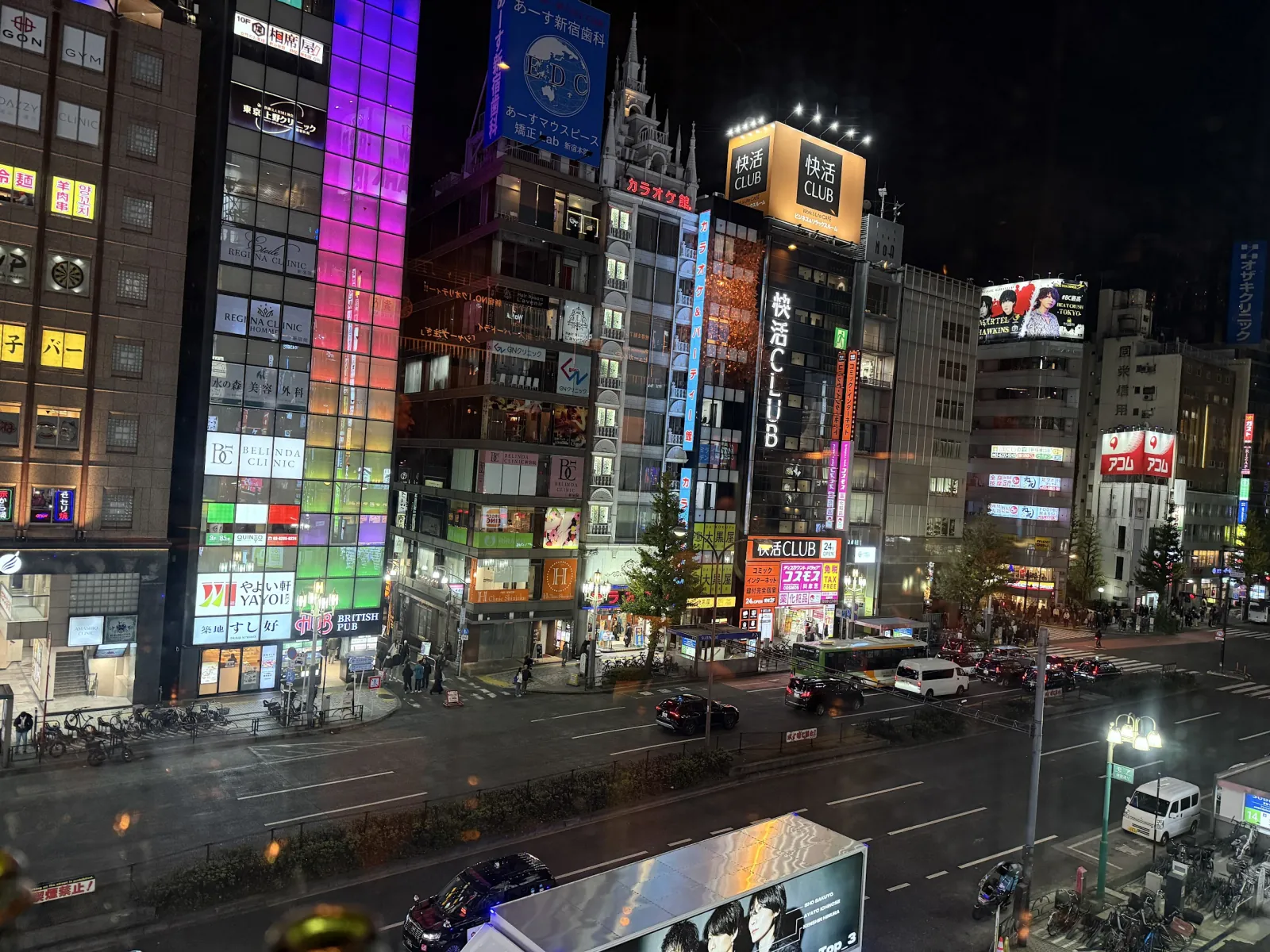
- It is fine to just walk. You do not have to spend money to experience Kabukicho. Some of the best of it is simply walking the lit streets at 11 PM and watching the city be unguarded for once.
Practical Info
| Item | Detail |
|---|---|
| Access | 5-min walk from Shinjuku Station East Exit, or Seibu-Shinjuku Station |
| Best time to visit | 8 PM–2 AM; weekends are busiest |
| Budget | Izakaya ¥3,000–5,000/person; Golden Gai ¥1,500–3,000/bar incl. charge |
| Payment | Carry cash; many small bars are cash-only |
| Safety | Very safe on main streets; ignore all street touts |
| Last train | Around midnight–1 AM; plan ahead or stay until ~5 AM |
Kabukicho rewards the visitor who treats it not as a spectacle to consume but as a neighborhood with its own rules. Follow the light, ignore the touts, sit down in a bar the size of a wardrobe, and let a stranger tell you about his record collection. That is the real Sleepless Town—not the neon, but the rare permission Tokyo gives itself here to be loud.