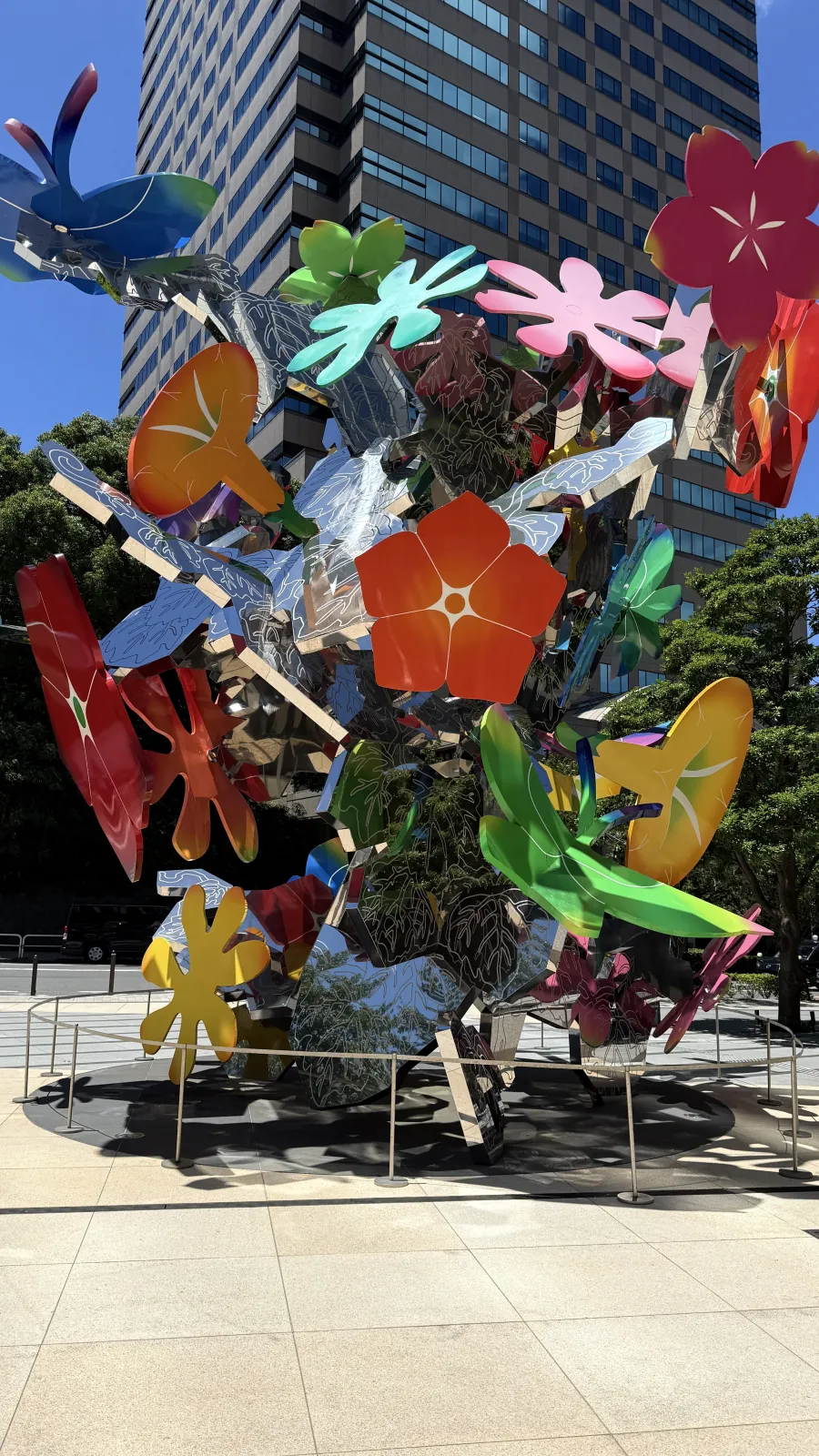
Most Tokyo neighborhoods announce themselves. Kioicho does the opposite. Wedged between Akasaka and Nagatacho—the seat of Japan’s national government—it is a district that the people who run the country pass through daily and that almost no tourist ever names. I have walked it for over twenty years, and its appeal is exactly that quietness: this is where Tokyo keeps its power and its luxury without ever raising its voice.
The name itself is a clue most visitors never decode. Kioicho (紀尾井町) is stitched together from one character each of three samurai houses—the Kii Tokugawa, the Owari Tokugawa, and the Ii—whose vast Edo-period estates once covered this hill. You are walking on the ground of former daimyo, and one of those estates is still here, hidden behind a hotel, free to enter, and almost empty.
Why a Tokyo Local Sends People Here
Kioicho is not a “sights” district. It has no famous temple, no observation deck, no queue. What it has is a particular Tokyo texture you cannot get in Shibuya or Asakusa: the texture of restrained, established wealth sitting on top of deep history, ten minutes from the Diet.
Come here when you want to slow down, walk under big trees, drink good coffee, and see the version of Tokyo that the city’s establishment actually inhabits. It pairs perfectly with Akasaka next door, and it is the antidote to a day spent in the crowds.
The Hidden Gem: Hotel New Otani’s 400-Year-Old Garden
If you do one thing in Kioicho, do this. Behind the Hotel New Otani lies a Japanese garden over 400 years old, originally the estate garden of the Ii family of Hikone (the same family in the district’s name). It survived war, earthquake, and Tokyo’s relentless redevelopment.
Here is the local secret: you do not need to be a hotel guest, and entry is free. Walk in, find the garden, and you have a genuine daimyo garden—a large carp pond, a red bridge, a small waterfall—almost to yourself, surrounded by skyscrapers. Few foreign visitors know it exists. It is one of the best free experiences in central Tokyo.
Tokyo Garden Terrace Kioicho: The Modern Half
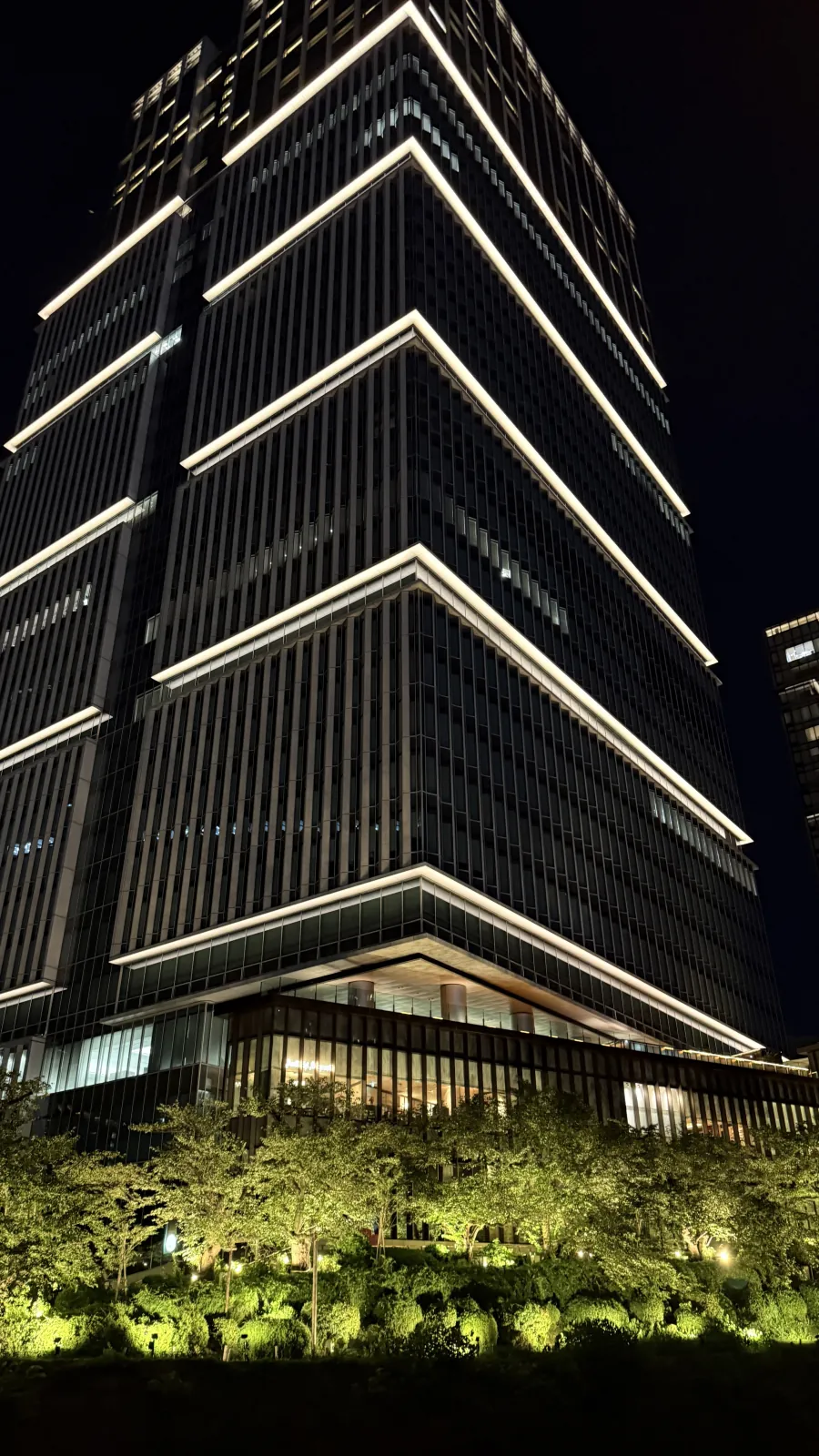
The district’s contemporary heart is Tokyo Garden Terrace Kioicho, a glass-and-greenery complex built on the site of the former Grand Prince Hotel Akasaka. It is not a tourist mall—it is where people who work in the area eat and meet—which is precisely why it is pleasant. Good restaurants spanning Japanese to international, quiet cafés, and a design that deliberately weaves in references to the area’s history.
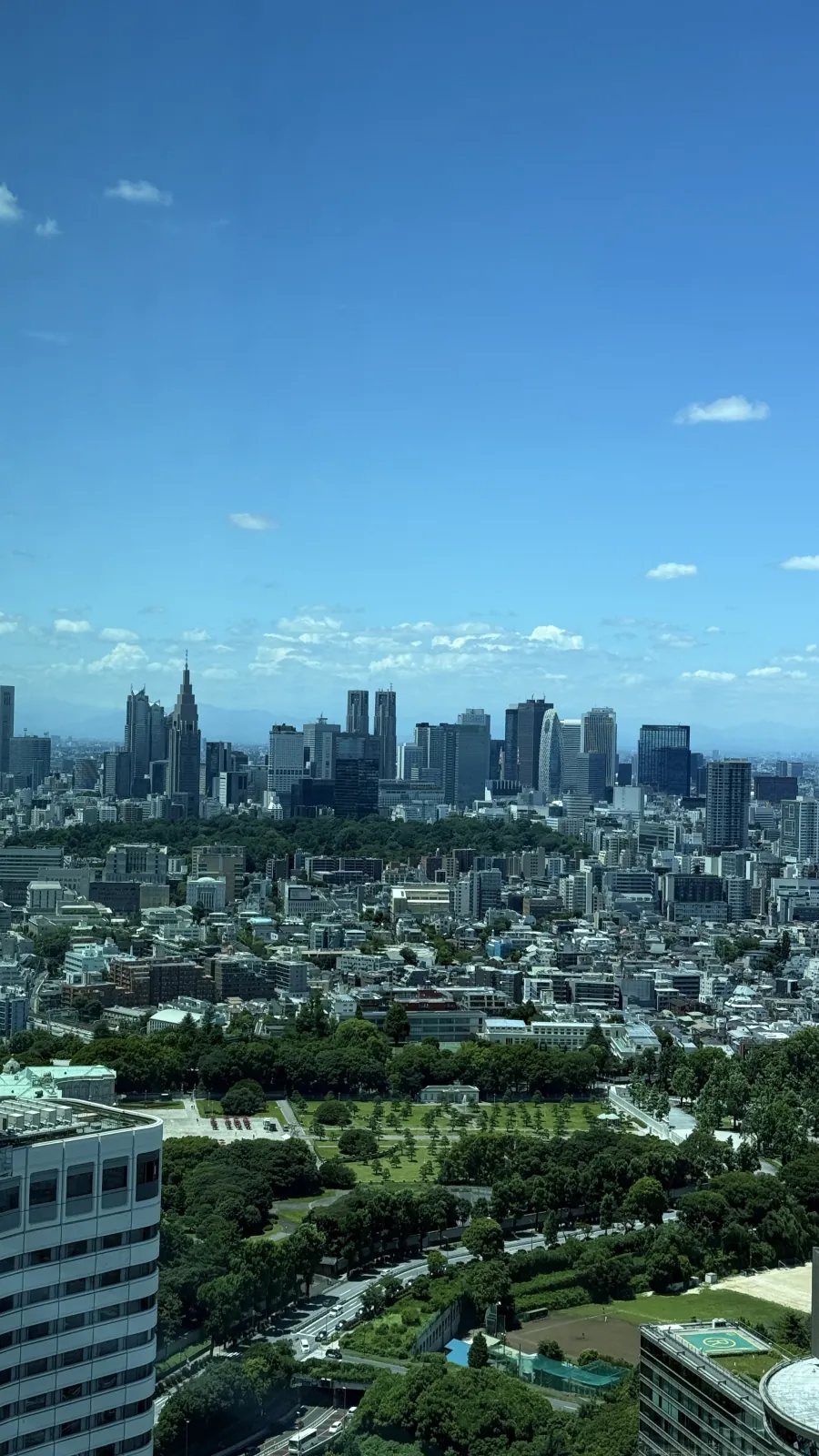
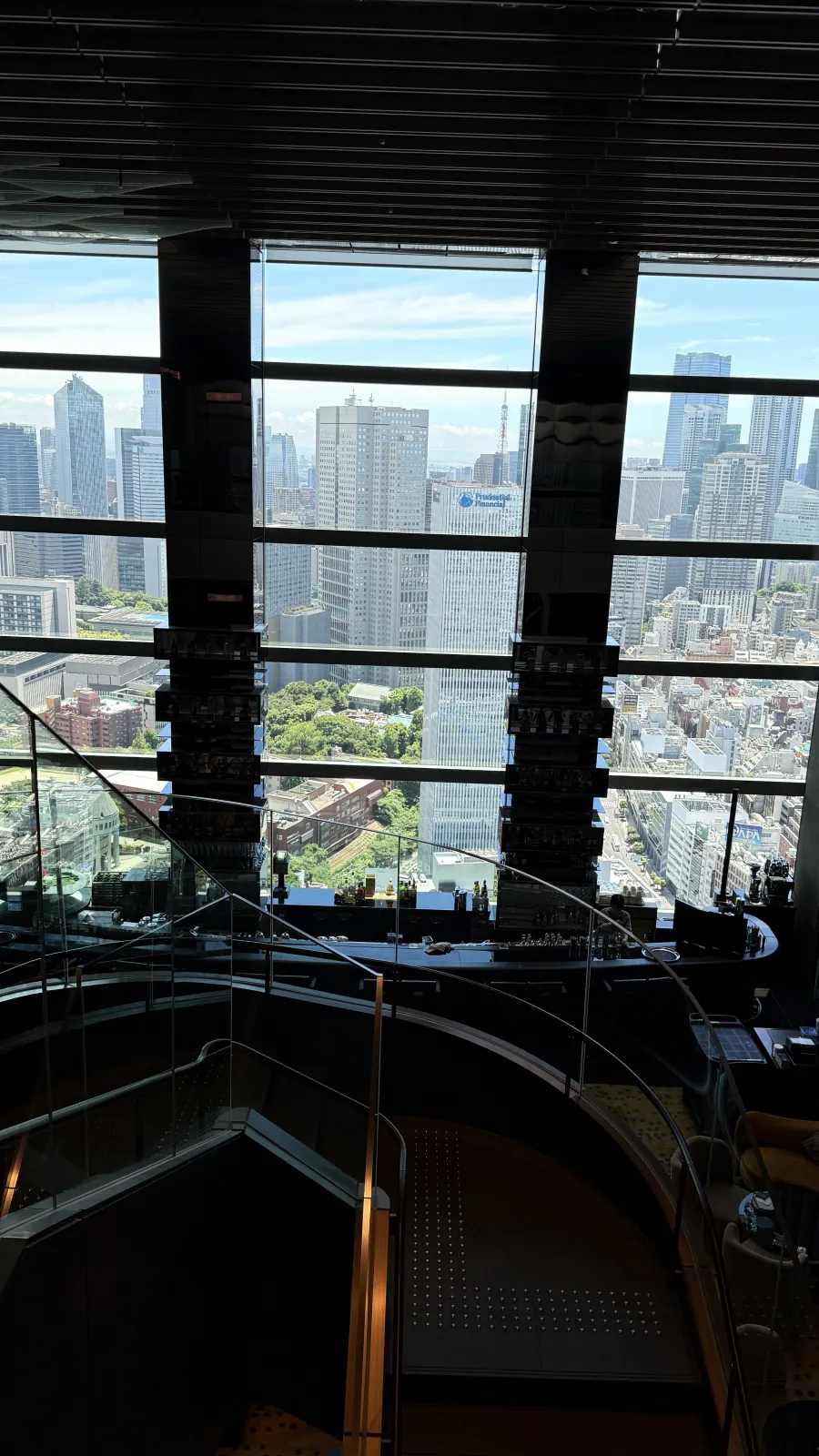
A local tip: the upper-floor restaurants offer fine views over the government district and the Akasaka Palace grounds without the price of a formal observation deck. Come for lunch and you get the view as a bonus.
The Akasaka Palace Connection
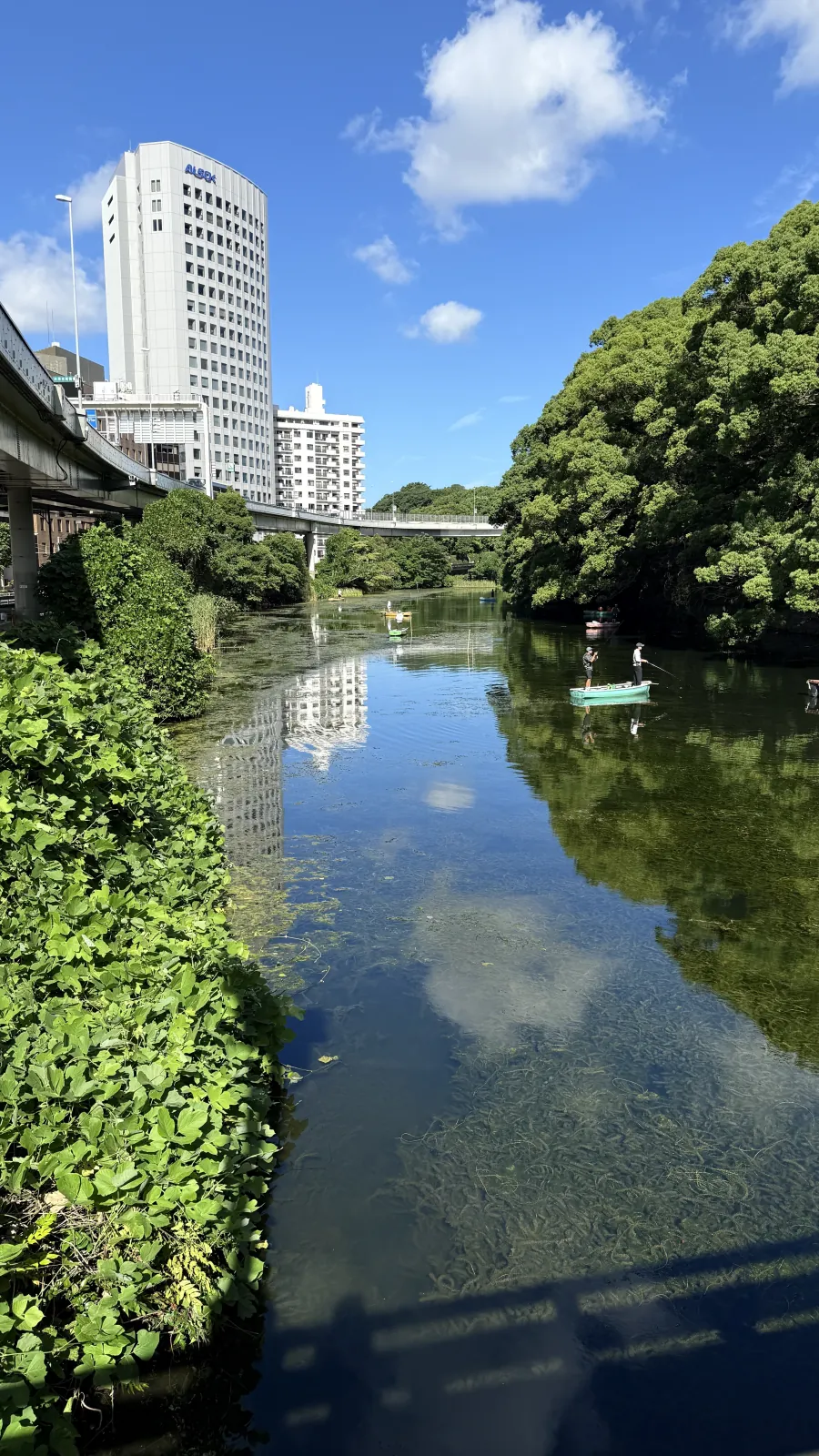
Kioicho sits beside the Akasaka Imperial grounds and the State Guest House (Akasaka Palace)—a neo-Baroque building, one of only a handful of Western-style palaces in Japan, used to receive visiting heads of state. On designated open days you can tour its opulent interior and French garden (advance application; check the schedule). Even when closed, the tree-lined perimeter is one of the calmest walks in central Tokyo, and a spectacular cherry blossom corridor in spring.
How to Walk It: A Half-Day Plan
Kioicho is small and best combined with Akasaka. A local route:
- Start at Akasaka-mitsuke Station and walk up into the district.
- Slip into the Hotel New Otani garden (free) and spend half an hour by the pond.
- Cross to Tokyo Garden Terrace for coffee or lunch.
- Walk the Akasaka Palace perimeter, especially fine in cherry or autumn season.
- Descend into Akasaka proper for dinner—its backstreets hold some of Tokyo’s best mid-range restaurants.
Local Tips Most Visitors Miss
- The New Otani garden is genuinely free—don’t be intimidated by the luxury hotel lobby; the garden is open to the public.
- Come on a weekday to feel the district’s working rhythm, or a weekend for near-total quiet.
- Check Akasaka Palace open days in advance—interior tours require timing and sometimes application.
- Spring is the moment. The Palace perimeter and side streets bloom with cherry blossoms and draw a fraction of the crowds of Ueno or Shinjuku.
- Eat in Akasaka, not Kioicho. Kioicho’s dining is polished; Akasaka’s backstreets, two minutes away, are where locals actually go.
Practical Info
| Item | Detail |
|---|---|
| Access | Akasaka-mitsuke Station (Ginza/Marunouchi Lines); Nagatacho Station (Hanzomon/Yurakucho/Namboku Lines) |
| Hotel New Otani garden | Free; open to non-guests during daytime hours |
| Akasaka Palace | Ticketed tours on open days; check official schedule and apply ahead |
| Best time to visit | Spring (cherry blossoms); weekday for atmosphere, weekend for quiet |
| Pair with | Akasaka (dinner), Hie Shrine, the Imperial Palace east gardens |
Kioicho is the Tokyo that does not perform. No crowds, no spectacle—just a hill that has held power for four centuries, a daimyo garden hidden behind a hotel, and the rare feeling of having found something the guidebooks skipped. Walk it slowly, and let the quiet be the point.