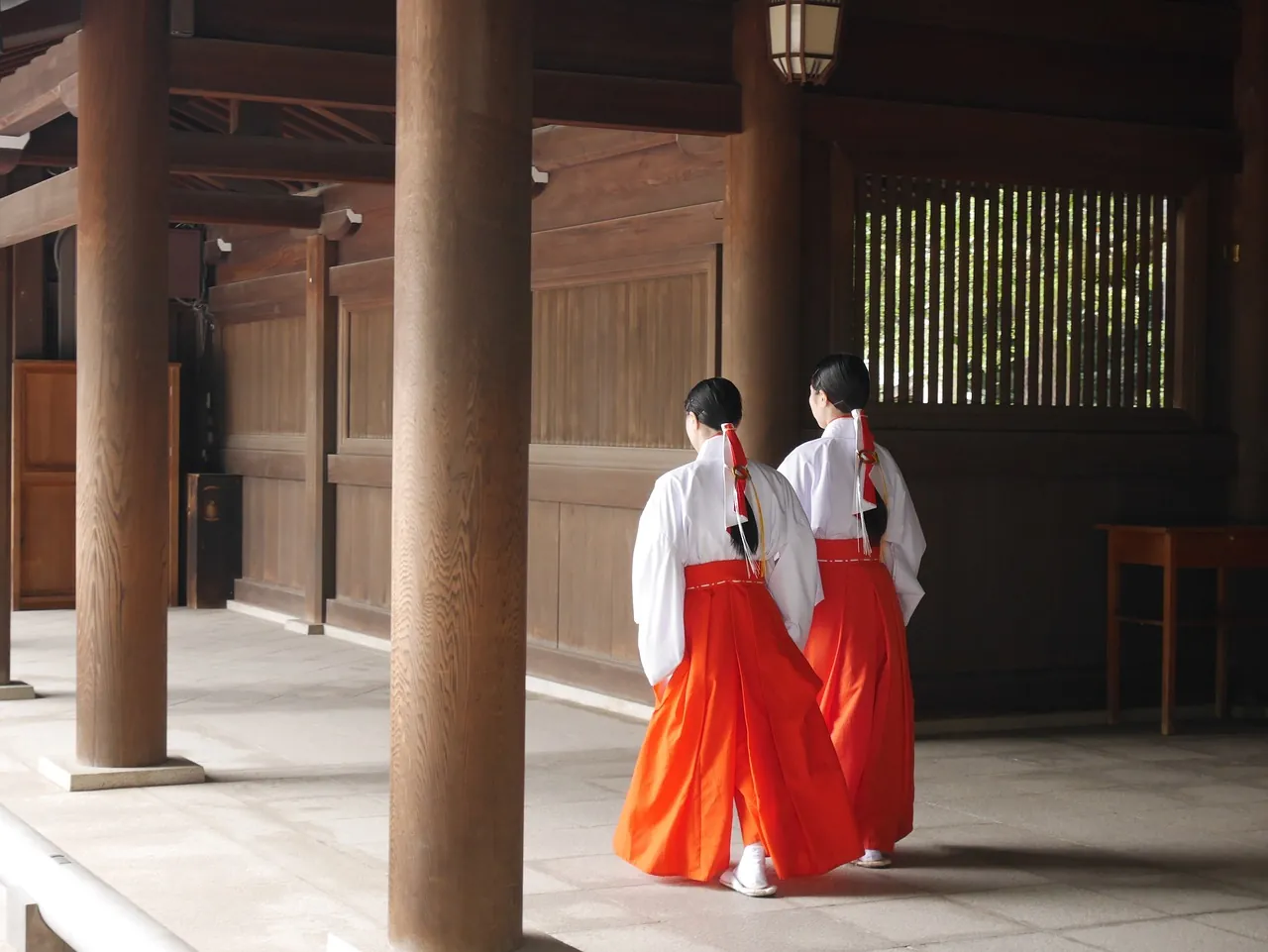
Most foreign visitors have never heard of Mie, and most Japanese people have a quiet reverence for it—because Mie holds Ise Jingu, the most sacred site in Shinto, the spiritual home of the entire nation. For Japanese people, a pilgrimage to Ise is something you do at least once in a lifetime. Understanding why is the key to understanding Mie, and arguably to understanding Japan.
But Mie is not only a shrine. It is a coastline of pearl farms and free-diving women, the birthplace of the ninja, and a peninsula of seafood that the Imperial Court has eaten for over a thousand years. Here is how to read it.
Ise Jingu: What You’re Actually Looking At
Here is the thing that stuns visitors who expect a grand golden temple: Ise Jingu is plain. Unpainted cypress, thatched roofs, no ornamentation. And that plainness is precisely the point.
Ise is dedicated to Amaterasu, the sun goddess from whom Japan’s imperial line is traditionally descended. It is not one building but a complex of two main shrines several kilometers apart—the Naiku (Inner Shrine) and the Geku (Outer Shrine)—set in an ancient forest. Tradition dictates you visit Geku first, then Naiku.
The detail that defines Ise: every twenty years, the main shrine buildings are completely rebuilt from scratch on an adjacent plot, the old ones dismantled, using techniques passed down for thirteen centuries. This ritual, shikinen sengu, is Japanese philosophy made physical—the idea that something can be eternal not by lasting forever, but by being perpetually renewed. The shrine is over 1,300 years old and never more than 20 years old. Hold that paradox in your mind as you walk the gravel path, and Ise opens up.
After the shrine, walk Okage Yokocho, the recreated Edo-period street near Naiku, and eat Akafuku mochi and Ise udon—soft noodles in a dark, sweet sauce that locals have eaten for centuries.
The Coast: Pearls and the Ama Divers
The Ise-Shima coast south of the shrine is where Japan’s cultured-pearl industry was born. At Mikimoto Pearl Island in Toba, you learn how Kokichi Mikimoto first coaxed an oyster into making a perfect pearl in 1893—and you can watch the ama, traditional free-diving women who have harvested the sea here for two thousand years, demonstrate dives in white diving suits. Some ama huts on the peninsula will grill you fresh shellfish over charcoal as the divers themselves tell you about the work.
The seafood reason to come: this coast supplies Ise lobster and, in season, some of the country’s best oysters.
Iga: The Real Home of the Ninja
Inland, Iga is the genuine historical heart of ninja culture—the Iga clan were among Japan’s most famous practitioners of ninjutsu. The Iga-ryu Ninja Museum is more serious than the name suggests: a real ninja house with hidden doors, reversible walls, and trapdoors, plus demonstrations of tools and techniques. It is the antidote to the cartoon version of the ninja.
The Other Mie
- Meoto Iwa (the “Wedded Rocks”) at Futami—two sea rocks joined by a sacred rope, symbolizing marriage and the gods. Best at sunrise.
- Suzuka Circuit—the racetrack that hosts the F1 Japanese Grand Prix, plus a theme park, for motorsport fans.
- Kumano Kodo—the southern tip of Mie touches this UNESCO-listed network of ancient pilgrimage trails shared with Wakayama.
Local Tips Most Visitors Miss
- Visit Geku before Naiku. It’s the traditional order and most rushed visitors get it backwards.
- Go to Ise early. The forest paths are most atmospheric in morning light and far emptier before the tour buses.
- New Year is overwhelming. Ise draws millions in the first days of January—beautiful but shoulder-to-shoulder. Avoid unless you specifically want that.
- Base in Ise or Toba to combine the shrine and the coast over two days rather than rushing a day trip.
- Dress respectfully at the shrine; this is an active sacred site, not a photo backdrop.
Practical Info
| Item | Detail |
|---|---|
| Access | Kintetsu Limited Express from Nagoya (~1.5 hr) or Osaka (~2 hr) to Ise-shi / Toba |
| Shrine order | Geku (Outer) first, then Naiku (Inner) |
| Best time | Spring and autumn; early mornings; avoid New Year crowds |
| Eat | Ise udon, Akafuku mochi, Ise lobster, Toba oysters |
| Payment | Suica/IC cards on trains; carry cash for small shrine-town shops |
Mie does not announce itself the way Kyoto does. Its greatest site is deliberately humble, rebuilt into newness every twenty years, hidden in a forest most foreign visitors never enter. But if you want to feel the quiet center of Japanese spirituality—then walk the gravel path to Ise, and let the simplicity do its work.