If Japan has a rice bowl, it is Niigata. This long prefecture on the Sea of Japan coast grows the country’s most celebrated rice—Koshihikari—and that single fact ripples through everything: the food is built on extraordinary rice, and the sake, made from that rice and pure snowmelt water, is among the best in Japan, produced by some 90 breweries, more than any other prefecture. For travelers who care about what they eat and drink, Niigata is a serious destination hiding in plain sight, two hours from Tokyo by bullet train.
It’s also a land of heavy snow, a mysterious gold-mining island, and an unhurried coastal pace. Here’s how to approach it.
Rice and Sake: The Reason to Come
Niigata’s Koshihikari is considered by many the finest table rice in Japan—balanced, faintly sweet, with the perfect texture. The big temperature swings between day and night and the pure mountain water create ideal growing conditions, and the result is rice worth traveling for. Eat it simply, as plain steamed rice or onigiri, and you’ll understand the fuss.
That same rice and water make Niigata a sake powerhouse. The local style tends toward clean, crisp, dry sake (tanrei karakuchi). Don’t miss Ponshukan at Niigata and Echigo-Yuzawa stations—a sake-tasting arcade where, for a few coins, you can sample from over 100 local breweries via vending machines. It’s the easiest, most fun introduction to regional sake anywhere in Japan.
Sado Island: Gold Mines and Rare Birds
Off the coast lies Sado Island, a place apart. Its isolation preserved old traditions and, historically, made it a place of exile—and the site of a major gold mine that helped fund the Edo shogunate. You can tour the atmospheric Sado Kinzan mine, where animatronic figures show the brutal work of centuries past.
Sado is also the last refuge of the Japanese crested ibis (toki), once extinct in the wild here and now reintroduced. The island has a slow, distinctive culture all its own, including the famous taiko drumming group Kodo.
Snow, Mountains, and Coast
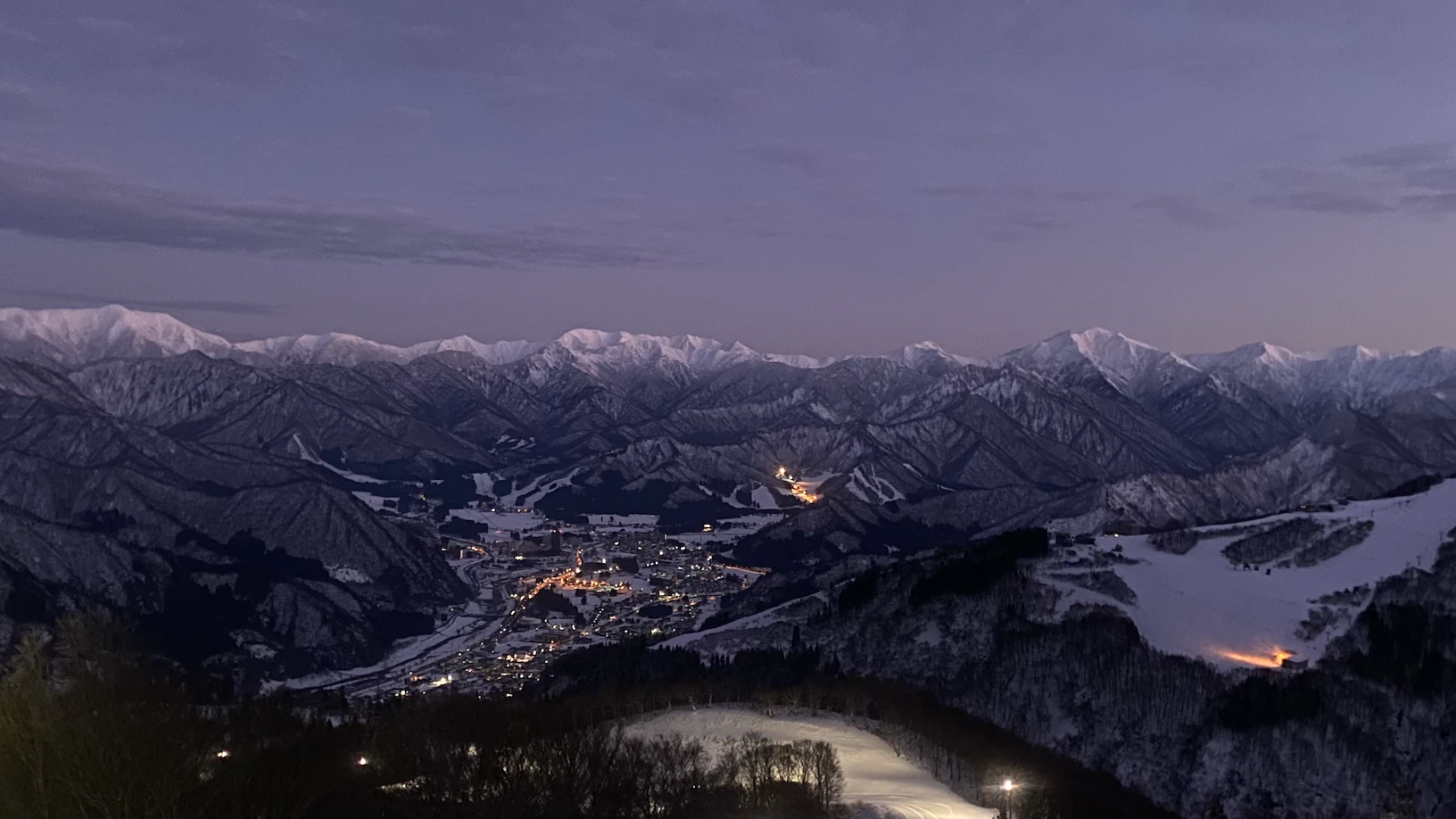
- Skiing and snow—Niigata gets some of the heaviest, deepest snow on earth. Echigo-Yuzawa, reachable in around 70 minutes from Tokyo by Shinkansen, puts world-class powder within a day trip of the capital.
- Mount Yahiko—an accessible sacred mountain with a shrine and great autumn foliage.
- Niigata City—a relaxed coastal capital; the Pier Bandai waterfront market serves the day’s fresh catch, and the Sea of Japan sunsets are spectacular.
Eat This
- Koshihikari rice—the headline; eat it plain to appreciate it.
- Local sake—sample widely at Ponshukan.
- Hegi soba—buckwheat noodles bound with seaweed, served in a distinctive wooden tray.
- Sea of Japan seafood—snow crab in winter, sweet shrimp, and superb sushi from local boats.
Local Tips Most Visitors Miss
- Hit Ponshukan for the self-serve sake tasting—it’s the single best Niigata experience for drinkers, right in the station.
- Echigo-Yuzawa is a day-trip ski option from Tokyo when the city has no snow at all.
- Sado needs a ferry and a day or two—plan for it rather than treating it as a quick stop.
- The Joetsu Shinkansen makes Niigata City just ~2 hours from Tokyo—closer than most assume.
- Winter is dramatic—heavy snow is part of the experience, but pack for it.
Practical Info
| Item | Detail |
|---|---|
| Access | ~2 hr Tokyo–Niigata by Joetsu Shinkansen; Echigo-Yuzawa ~70 min |
| Don’t miss | Ponshukan sake tasting, Sado Island, Echigo-Yuzawa snow, Pier Bandai |
| Eat | Koshihikari rice, local sake, hegi soba, Sea of Japan seafood |
| Best time | Autumn (harvest & foliage), winter (snow & crab), year-round for sake |
| Getting around | Train for the main corridor; ferry + car for Sado |
Niigata is Japan distilled into rice and the sake made from it—plus a snow-buried winter, an island of gold and rare birds, and a quiet coast few foreigners reach. Come hungry and thirsty; this is one of the best places in Japan to simply eat and drink.